Turn a Photo into a Personal Song: Confirm the Story Before Writing
DedicatieMuzicala ·
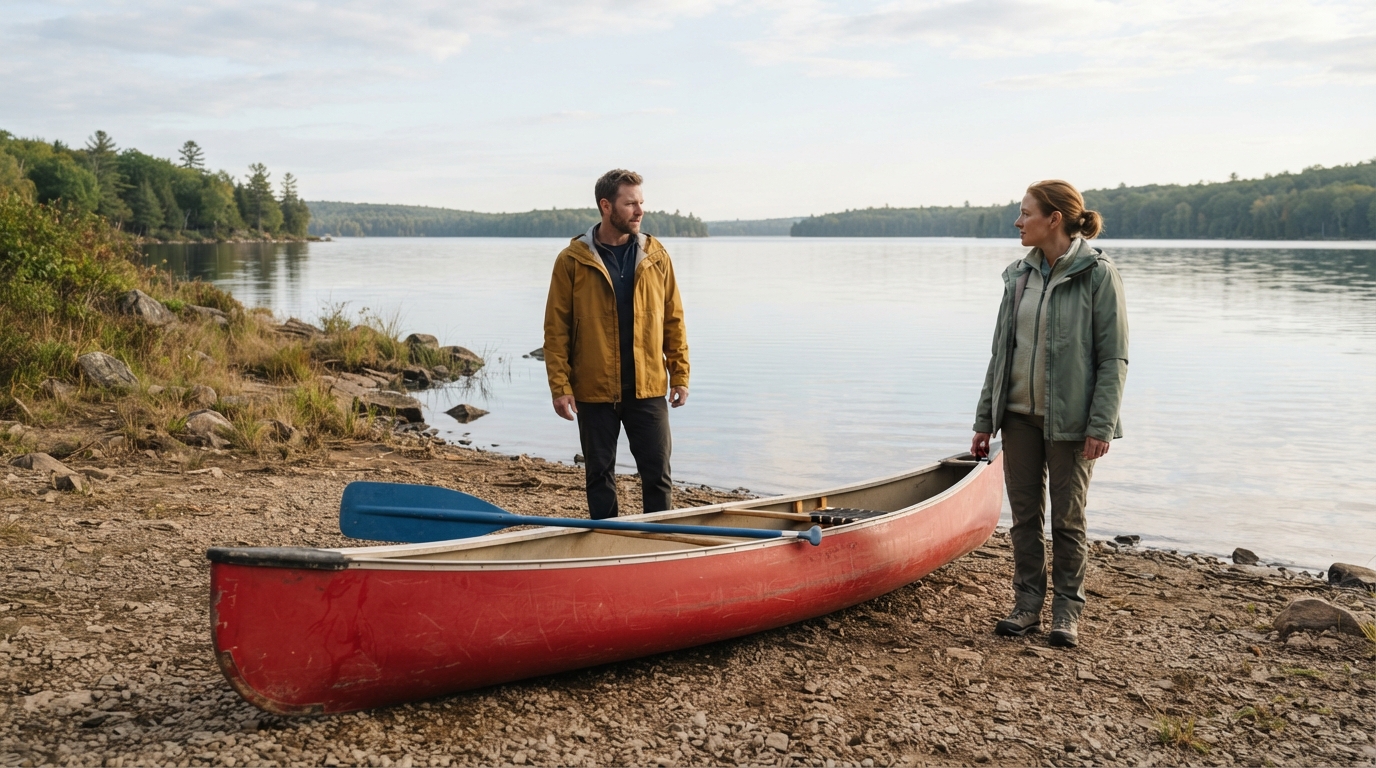
Use a photo for imagery, but confirm the meaning yourself before writing a personal song. Separate what is visibly present from names, relationships, events, and feelings supplied by the people involved, then leave uncertain claims out.
The three-part photo evidence card
A photo can show useful details such as people, objects, colors, weather, and setting. It cannot reliably establish names, relationships, private history, an exact date, or what happened before and after the moment. Write those two kinds of information separately before drafting lyrics.
Completed fictional card: Visible — two adults, a red canoe, a blue paddle, a dry pebbly lakeshore, and calm morning light. Confirmed by the sender — Lea and Tomas are adult cousins; this was a practice morning after Tomas's first canoe outing; Tomas wants to thank Lea for her patient company. Leave out — a race victory, romance, an exact date, a specific route, or any private history not confirmed by the sender.
A blank template you can reuse
Copy this writing aid before turning a picture into a song:
I can see [two or three concrete details]. I know and confirm [names, relationship, occasion, or event]. I want to express [my message or gratitude]. Leave out [uncertain claims, inferred relationships, or invented memories].
Keep the visible list short. Two or three strong objects usually give a lyric enough texture without turning the song into a catalog of everything in the frame. Put the emotional meaning in the confirmed message, not in guesses about a person's expression or appearance.
Three factual decisions that prevent an invented story
Two people standing together are not automatically a couple. If you know they are siblings, cousins, friends, or partners, state that fact yourself. If you do not know, use a neutral description such as “two friends” only when the sender has confirmed it, or avoid naming the relationship altogether.
A red canoe does not prove a race, a victory, or a first outing. It is safe imagery; the event belongs in the lyric only when someone who knows the story supplies it. Likewise, a smile may suggest a pleasant-looking moment, but it does not verify a private emotional history. If a detail matters and you cannot confirm it, ask or omit it.
A ready-to-use photo-to-story request
Here is a grounded request based on the completed card: “To Lea, from Tomas. We are cousins. Thank her for patient company during my first practice outing. Include the red canoe, blue paddle, and quiet pebbly shore. Keep the tone warm and grateful. Do not turn the scene into a race victory or a romantic story.”
This request gives the writer or song tool both kinds of material it needs: concrete visual language and a clearly supplied message. It also defines the boundaries of the story, so the lyric can be personal without pretending that uncertain details came from the image.
Using the confirmed brief in DedicatieMuzicala
You can attach one photo as an optional source of visible imagery and add the confirmed context in the message, recipient, sender, or personal-details fields as appropriate. The photo can help suggest objects and actions, while your written message supplies the names, relationship, occasion, and meaning. You can change or remove the attachment before creating the song.
Review the original lyric before generating music. Check every name, relationship, event, and emotional claim against your evidence card. The fictional example below illustrates how a red canoe and blue paddle can support a cousin's gratitude; it is a written story and listening illustration, not a test of actual image analysis.
Fictional example
Fictional example: the first practice morning
Fictional adult Tomas stands beside his cousin Lea on a dry pebbly lakeshore in soft morning light. A red canoe rests near the water, with a blue paddle laid across it. Tomas confirms that this was his first practice outing and that Lea stayed patient while he learned. The photograph does not establish their names, relationship, or history; those facts come from Tomas's fictional message. He wants an original song that thanks Lea without exaggerating the morning into a race, a triumph, or a romance. Keep the lyric warm, observant, and focused on shared patience.
The red canoe waits by the quiet shore The blue paddle rests where the small waves fall My first slow strokes were small and unsure But you stayed patient through it all Two cousins watched the morning open wide With pebbles bright beneath our feet You kept your calm right by my side And made each small attempt feel sweet No race to win, no story to prove Just grateful steps and room to move
Listen to the example
Fictional example: the first practice morning · English
Fictional example
The red canoe waits by the quiet shore The blue paddle rests where the small waves fall My first slow strokes were small and unsure But you stayed patient through it all Two cousins watched the morning open wide With pebbles bright beneath our feet You kept your calm right by my side And made each small attempt feel sweet No race to win, no story to prove Just grateful steps and room to move
Frequently asked questions
Can a photo tell the app the names or relationship?
No. A photo may provide visible imagery, but names, relationships, events, and personal history should come from the sender's confirmed message rather than appearance alone.
What should I write when I do not know a detail?
Leave it out or ask someone who knows the story. Use a neutral visible description, such as “two adults beside a canoe,” instead of guessing a relationship, event, date, or private feeling.
Can I use a photo and add a short message too?
Yes. Attach the photo for visual details and add a concise message with the confirmed names, relationship, occasion, and meaning. Review the lyric draft before generating music.